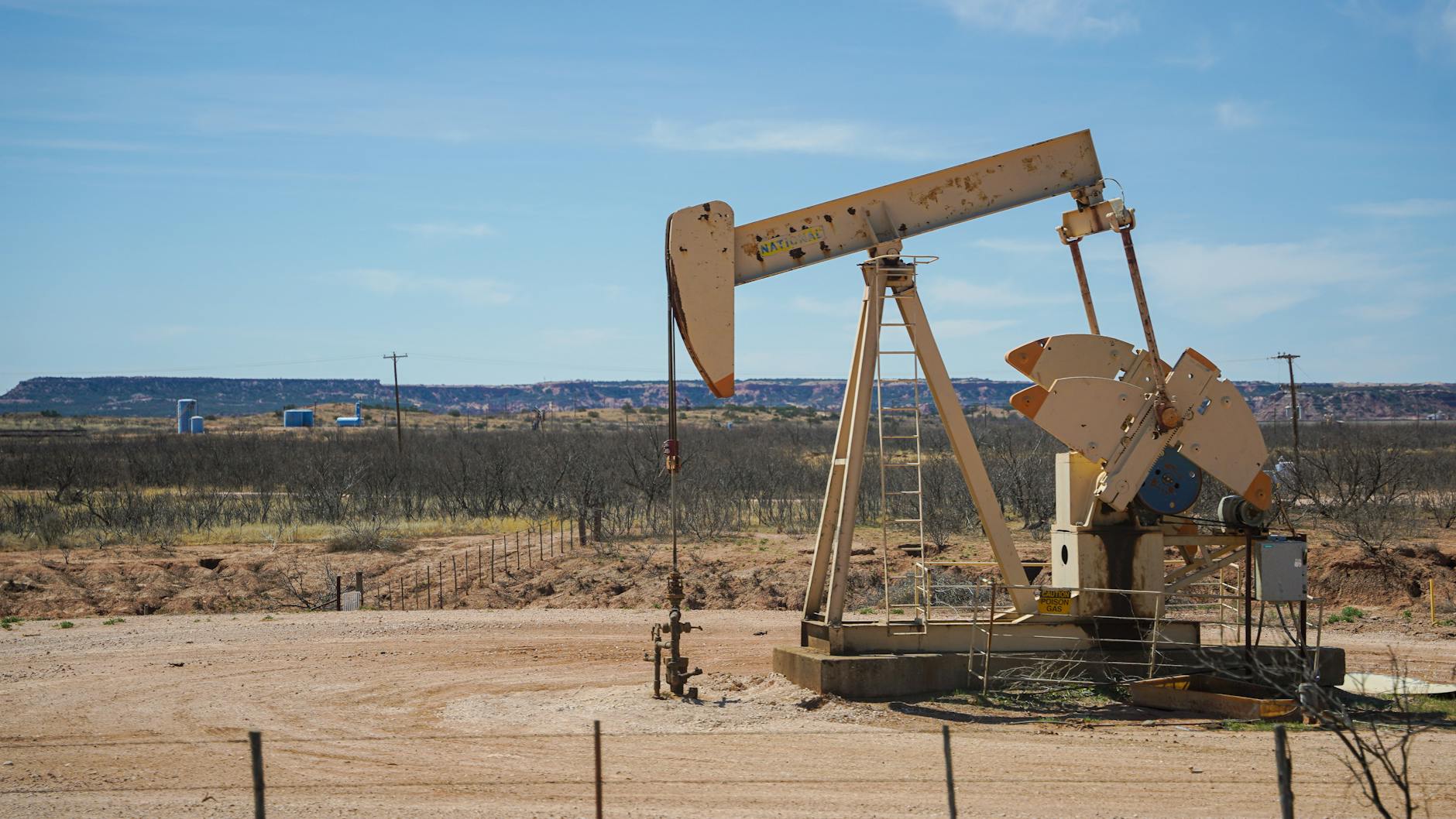
Mineral Rights vs Surface Rights: What Oil and Gas Investors Should Know
When Derek, a software executive from Austin, bought 40 acres in East Texas last year, he thought he’d struck gold—quite literally. The seller mentioned “possible oil potential,” and with Brent crude averaging $81 per barrel in 2026 and energy prices up 24%, Derek envisioned royalty checks flowing in. Six months later, when an oil company started drilling next to his property, Derek discovered the harsh reality: he owned the surface, but someone else owned what was beneath it.
This article is for educational purposes only and reflects the opinions of the authors. It is not financial, legal, or tax advice. Always consult qualified professionals before making investment or legal decisions. Oil and gas investments carry unique risks. This article is for educational purposes only.
Understanding mineral rights vs surface rights isn’t just legal terminology—it’s the difference between building wealth through energy investments and getting blindsided by severed ownership. For high-income accredited investors looking to diversify beyond traditional assets, this distinction can make or break your oil and gas strategy.
The Two Estates: Why Property Ownership Isn’t Always What It Seems
Property ownership in the United States operates under a dual estate system that many investors discover too late. Surface rights encompass everything you can see and touch—the soil, vegetation, water, buildings, and anything above ground. This gives you the right to farm, build, develop, or use the land for residential or commercial purposes.
Mineral rights, however, control the subsurface kingdom—oil, natural gas, coal, metals, and other extractable resources. Here’s where it gets interesting for oil and gas investors: these estates can be severed, meaning they can be owned by completely different parties.
According to Texas law, the mineral estate is the dominant estate, giving mineral rights owners significant authority over surface access for extraction. This legal hierarchy means that if you own mineral rights beneath someone else’s surface property, you have the legal right to access those minerals, even if the surface owner objects.
In Georgia, mineral rights are frequently severed from surface ownership, meaning land purchases often exclude oil, gas, timber, or subsurface rights unless explicitly confirmed through title review. This severance creates opportunities for savvy investors who understand how to navigate both estates strategically.
The financial implications are substantial. Mineral owners in Texas derive income from three primary sources: royalties (typically 12.5-25% of production revenue), lease bonus payments (upfront compensation for granting drilling rights), and delay rentals (annual payments to maintain lease rights without drilling). These income streams operate independently of surface ownership, creating passive income opportunities that many traditional real estate investors overlook.
The Dominant Estate Principle: Why Mineral Rights Rule
The concept of mineral dominance fundamentally shifts the power dynamic in property relationships. When mineral and surface rights are severed, the mineral estate holds legal supremacy—a principle that shapes every oil and gas investment decision.
This dominance manifests in practical ways that surface owners often find surprising. Mineral operators can access the surface for drilling, construct roads, install equipment, and establish production facilities, all while owing only “due regard” to the surface owner’s existing uses. The surface owner can’t legally block these activities, even if they disrupt farming, ranching, or residential enjoyment.
For oil and gas investors, this creates both opportunities and responsibilities. Tanya, a cardiologist from Houston, learned this firsthand when she acquired mineral rights beneath a cattle ranch. While the rancher initially resisted drilling activities, Texas law protected Tanya’s right to develop the minerals. However, she was required to compensate for damaged fences, provide alternative water sources for cattle, and restore the surface after operations concluded.
The restoration obligation is crucial but often misunderstood. Mineral operators must return the surface to its original condition as much as reasonably possible, but this doesn’t mean identical restoration. If drilling destroys mature oak trees, replanting saplings satisfies the legal requirement, even though the aesthetic and economic impact differs significantly.
Renewable energy developers are discovering these dynamics create complex conflicts. In Texas, solar and wind projects leasing surface rights face potential disruptions from dominant mineral operators asserting extraction access rights. This intersection of old energy and new energy creates investment opportunities for those who understand how to structure deals that account for both estates.
Pipeline easements add another layer of complexity, as they can cross both surface and mineral estates simultaneously. With natural gas prices at $2.89 per BTU in 2026 and infrastructure expansion accelerating, these easement conflicts are becoming more frequent and more valuable to resolve.
Due Diligence Essentials: Avoiding Severed Interest Surprises
The biggest mistake oil and gas investors make is assuming surface ownership includes mineral rights. This assumption has cost investors millions in lost opportunities and unexpected conflicts. Proper due diligence requires understanding the severance history of any property you’re considering.
Title searches must extend beyond surface deeds to examine mineral conveyances, leases, and reservations that may span decades or even centuries. In Texas, for example, many mineral interests were severed during the early 20th century oil booms, creating complex ownership chains that require professional abstraction to untangle.
Unrecorded mineral deeds present particular challenges. Under notice recording statutes, subsequent purchasers without notice of prior unrecorded interests can acquire superior title. However, if mineral activity or lease payments suggest subsurface ownership, buyers are deemed to have constructive notice, regardless of recording status.
Marcus, a private equity executive, nearly lost $2 million on a Louisiana mineral rights purchase because his initial title search missed an unrecorded 1987 mineral deed. The previous owner had conveyed 50% of the mineral interest to a cousin who never recorded the transaction. Only a comprehensive abstracting process that included family interviews and tax record analysis revealed the prior conveyance.
Professional mineral title opinions are essential but expensive—typically $15,000 to $50,000 for complex properties. However, this cost pales compared to the potential losses from severed interests or competing claims. The title opinion should examine not just ownership but also existing lease obligations, royalty commitments, and development restrictions that could impact future profitability.
State law variations add complexity to multi-state portfolios. While Texas treats minerals as dominant, other states apply different principles. Georgia allows surface owners to petition superior court to reunite severed mineral interests based on evidence of abandonment, such as non-use and unpaid taxes. This mechanism creates opportunities for surface owners to reclaim valuable mineral rights that previous owners neglected.
Investment Strategies: Monetizing Both Estates
Understanding mineral rights vs surface rights opens multiple investment strategies that most traditional real estate investors never consider. Each approach carries different risk profiles, capital requirements, and return potential.
Outright mineral rights acquisition offers the purest play on oil and gas production. Simone, an orthopedic surgeon from Dallas, built a $5 million mineral portfolio across the Permian Basin by purchasing small mineral interests from heirs who inherited fractional ownership. Her strategy focuses on unleased minerals in proven producing areas, banking on future drilling activity to generate lease bonuses and royalties.
Surface and mineral reunion strategies can create significant value through operational synergies. When renewable energy companies lease surface rights for solar or wind projects, owning the mineral rights provides optionality to negotiate higher surface lease rates or revenue sharing arrangements. The mineral owner’s dominant position creates leverage in these negotiations.
Lease flipping represents another strategy that requires minimal capital but deep market knowledge. Jerome, a tech entrepreneur, specializes in acquiring expiring oil and gas leases, then re-leasing them to operators at higher bonus rates. His success depends on understanding which leases are likely to expire, which operators are active in specific areas, and how to structure lease terms that maximize both bonus payments and royalty rates.
Partial assignments allow investors to monetize mineral rights without losing long-term upside. Instead of selling entire mineral interests, owners can assign specific lease terms, geographic areas, or production depths. This strategy provides immediate capital while retaining ownership of unleased minerals or deeper formations that may become economic as technology improves.
The hybrid ownership model combines surface development with mineral speculation. Fatima, a venture capitalist, purchases ranches in oil-prone areas, leases the surface for agricultural use, and retains mineral rights for future development. This strategy generates immediate cash flow from surface operations while building long-term wealth through mineral appreciation.
Market Dynamics and Future Outlook
The intersection of energy transition and traditional oil and gas development is creating unprecedented opportunities for investors who understand both estates. With European natural gas prices projected to rise 25% year-over-year in 2026 and supply shortfalls driving energy price increases, the value of mineral rights continues appreciating even as surface uses evolve.
Newfoundland and Labrador’s offshore crude production totaled 87.6 million barrels in 2025, valued at $8.4 billion, demonstrating how mineral extraction creates substantial economic value that surface activities alone cannot match. This production occurred beneath ocean surface that provides no traditional surface value, illustrating how mineral rights can generate wealth from seemingly worthless surface areas.
Technology is reshaping both due diligence and development processes. AI-driven title abstraction is reducing the time and cost of mineral ownership verification, while horizontal drilling and hydraulic fracturing are making previously uneconomic mineral interests profitable. These technological advances mean mineral rights that seemed worthless five years ago may generate substantial returns today.
The renewable energy intersection creates both challenges and opportunities. While solar and wind development may conflict with oil and gas operations, smart investors are finding ways to structure deals that accommodate both uses. Time-sharing arrangements, depth restrictions, and revenue sharing models are emerging as solutions that maximize value from both estates.
Carbon capture and storage (CCS) adds another dimension to subsurface rights. As climate policies drive CCS deployment, mineral rights owners may find their subsurface estate valuable for carbon storage rather than hydrocarbon extraction. This emerging use case could provide new revenue streams that complement traditional oil and gas development.
Frequently Asked Questions
What’s the difference between mineral rights and surface rights?
Surface rights control everything above ground—soil, vegetation, buildings, and surface water. Mineral rights control subsurface resources like oil, gas, coal, and metals. These estates can be owned separately, creating distinct investment opportunities and legal relationships.
Can I buy land without getting the mineral rights?
Yes, mineral rights can be severed from surface ownership. Many property sales exclude mineral rights, especially in oil and gas producing regions. Always conduct thorough title research and explicitly confirm mineral ownership before purchasing land for energy investment purposes.
Do mineral rights owners have to compensate surface owners?
Mineral operators must pay for actual damages to surface improvements, provide alternative access to disrupted facilities, and restore the surface after operations. However, compensation doesn’t cover inconvenience, aesthetic impacts, or speculative damages—only measurable economic losses.
How long do mineral rights last?
Mineral ownership typically runs with the land permanently unless specifically limited by deed restrictions. However, mineral leases have specific terms (usually 3-10 years) and may expire if not developed. Unused mineral rights can sometimes be reclaimed by surface owners under state abandonment laws.
What happens when mineral and surface rights conflict?
The mineral estate is legally dominant in most states, meaning mineral operators can access the surface for development despite surface owner objections. However, operators must use the surface reasonably, pay for damages, and restore the property after extraction activities conclude.
Find out where your wealth infrastructure has gaps.
Take the free Where Wealth Breaks™ assessment — 12 questions, personalized PDF report, under 3 minutes. Discover exactly what’s missing in your wealth plan and what to do next.
This article is part of the Earned to Owned platform — built by The Kitti Sisters for first-generation wealth builders. Take the free Where Wealth Breaks™ assessment to find out where your wealth infrastructure has gaps.
Find out where your wealth infrastructure has gaps.
The free Where Wealth Breaks™ assessment — under 3 minutes, personalized PDF report.
Take the Free Assessment →This article is part of the Earned to Owned platform by The Kitti Sisters. Take the free Where Wealth Breaks™ assessment — under 3 minutes.