Self Storage vs Multifamily Syndication: Which Is Better in 2026?
For high-income professionals choosing between self storage investing vs multifamily syndication which is better in 2026, multifamily syndications currently hold the advantage due to superior cash flow stability and proven demographic tailwinds, despite self-storage’s historically strong recession resistance now facing oversupply headwinds.
This article is for educational purposes only and reflects the opinions of the authors. It is not financial, legal, or tax advice. Always consult qualified professionals before making investment or legal decisions.
What Are Self Storage and Multifamily Syndications?
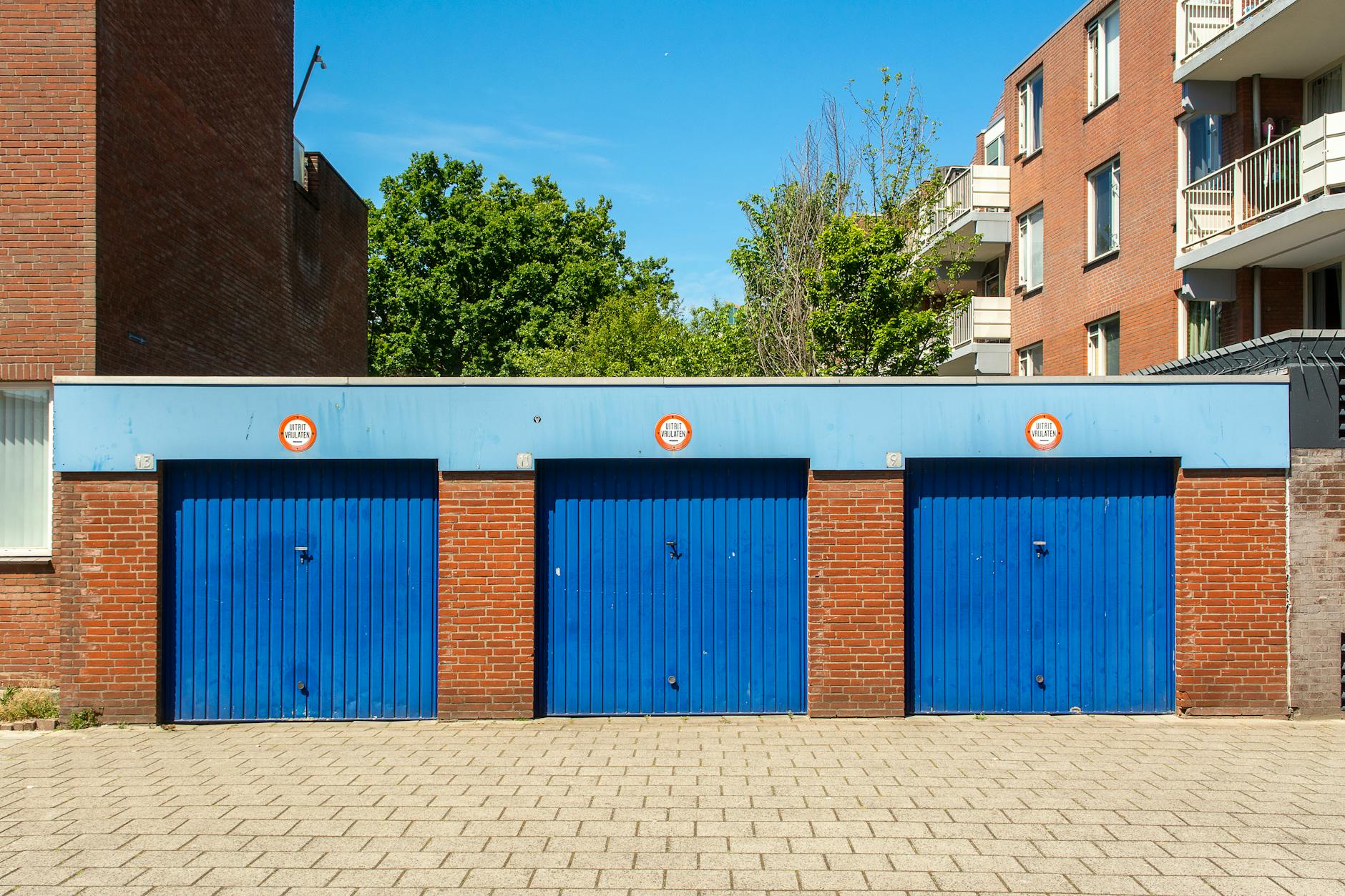
Self storage investing involves pooling capital to acquire or develop storage facilities—those ubiquitous rows of metal doors where people stash everything from college dorm furniture to business inventory. Multifamily syndications pool investor capital to purchase apartment complexes, typically 100+ units, where the general partners handle operations while limited partners receive passive returns.
Both strategies offer accredited investors passive real estate exposure without the headaches of direct ownership. According to Angel Investors Network, most real estate syndications require $25,000 to $100,000 minimum investments, with median institutional-quality multifamily deals starting at $50,000. The fundamental difference? Self storage tenants rent square footage for stuff; multifamily tenants rent homes for living.
In 2026, this distinction matters more than ever. While self storage benefits from demographic shifts like downsizing baby boomers and e-commerce growth driving business storage needs, multifamily capitalizes on urbanization, household formation, and the perpetual need for housing. Both sectors attract syndication capital, but they respond to different economic drivers and risk factors.
How Each Investment Strategy Works
Self Storage Syndication Mechanics
Self storage syndications typically target Class B and C facilities in secondary markets where land costs remain reasonable. The investment thesis revolves around operational improvements: installing modern security systems, optimizing unit mix (more small units, fewer large ones), and implementing revenue management software to maximize occupancy and rates.
Operating expenses run lean—typically 60-70% of gross income—because tenants provide their own locks, there’s minimal maintenance (metal doors don’t break often), and staffing needs are light. One facility can generate $500,000+ annual NOI with just one part-time employee. The Kitti Sisters have observed how this efficiency translates to strong cash-on-cash returns when markets aren’t oversupplied.
Value creation comes through forced appreciation: buying at $85 per square foot, improving operations to increase NOI by 25%, then selling at higher cap rates. A typical 80,000 square foot facility might trade for $6.8 million, get $1.2 million in improvements, and exit for $9.5 million after three years.
Multifamily Syndication Operations
Multifamily syndications focus on 100-500 unit apartment complexes, typically in growing Sun Belt markets where job growth drives rental demand. According to our experience building a nearly $500 million portfolio, the strategy centers on identifying properties where rents are 15-20% below market due to poor management or deferred maintenance.
Value-add execution involves unit renovations ($8,000-$15,000 per door), common area improvements, and professional management implementation. When we took over our 295-unit complex, systematic upgrades allowed rent increases from $850 to $1,100 per unit over 18 months—that’s $300,000 additional annual revenue from improved operations alone.
Cash flow comes from day-one rental income, unlike development deals that require years to stabilize. Operating expenses typically run 40-50% of gross income, higher than self storage due to maintenance, utilities, and on-site staffing, but offset by larger revenue streams and economies of scale across hundreds of units.
Why This Choice Matters for Wealth Builders in 2026
The timing question—self storage investing vs multifamily syndication which is better in 2026—hinges on current market dynamics that favor patient capital over opportunistic plays.
Multifamily benefits from structural demographic advantages that compound over decades. According to HousingWire, multifamily absorption rates hit 70% in 2026, representing 557,121 units absorbed despite elevated construction activity. Millennials are hitting peak household formation years, and Gen Z is entering the rental market en masse. Housing shortage fundamentals remain intact—we’re not building enough units to meet demand.
Real estate doesn’t respond to opinions. It responds to math. And the math on multifamily cash flow remains compelling: stabilized properties generate 8-12% cash-on-cash returns through rental income, then 15-20% IRRs through strategic exits. When we closed our first $6.2 million deal in Fort Worth during the pandemic, we raised $1.95 million in equity and delivered consistent distributions throughout the hold period.
Self storage, conversely, faces 2026-specific headwinds. According to Yardi Matrix, new supply reached 51.1 million net rentable square feet in 2026, driving advertised rates down 2% in March alone. Oversupply particularly pressures Sun Belt markets where development has been aggressive. While long-term demographics favor storage (aging population, smaller living spaces), short-term returns may disappoint investors expecting historical performance.
For first-generation wealth builders, multifamily offers something crucial: predictability. Monthly rent rolls create stable cash flow that compounds through reinvestment. Self storage can deliver higher peak returns but requires perfect timing and market selection that novice investors often miss.
Key Considerations When Choosing Your Strategy
Market Cycle Positioning
Timing matters enormously in real estate, and 2026 presents distinct cycle positions for each asset class. Multifamily sits in a mature expansion phase with modest rent growth (+1% year-over-year per Zillow) but stable fundamentals. Vacancy rates of 8% remain elevated but manageable for quality operators.
Self storage, however, faces a supply glut that typically takes 3-4 years to absorb. Yardi Matrix projects completions of 44 million square feet in 2027 and 38 million in 2028—still above historical averages. Smart money waits for distressed opportunities rather than paying peak pricing into oversupply.
Capital Requirements and Liquidity
Both strategies require patient capital with 3-7 year hold periods. Multifamily syndications target 15-20% IRRs over these timeframes, with a typical $50,000 investment yielding $3,500-$4,000 annually, then $85,000-$100,000 at exit. Self storage promises similar returns but with higher volatility.
Accredited investor requirements apply to both, though crowdfunding platforms have lowered self storage minimums to $500-$5,000 for smaller deals. However, institutional-quality opportunities in both sectors maintain $25,000+ minimums to attract serious capital.
Sponsor Quality and Track Record
Operator selection trumps asset class selection. We know every single investor in our portfolio personally—they aren’t just numbers on a spreadsheet. This relationship-first approach ensures alignment between general partners and limited partners.
Look for sponsors with co-investment requirements (skin in the game), conservative underwriting (stress-tested at higher cap rates), and full-cycle experience through different market conditions. Self storage operators should demonstrate revenue management expertise and development experience. Multifamily sponsors need construction management capabilities and institutional relationships with lenders.
Geographic Diversification
Multifamily benefits from portfolio diversification across multiple markets and property types. Our Sun Belt focus capitalizes on job growth and population migration, but within that region we spread risk across Texas, Florida, and other high-growth states.
Self storage concentration risk runs higher—one facility represents a single market bet. Syndicators often own 3-5 facilities to spread geographic exposure, but individual property performance can still dominate returns. This concentration can amplify both upside and downside outcomes.
Common Mistakes to Avoid
The “Recession-Proof” Fallacy
Many investors assume self storage is recession-proof because people always need storage during life transitions. While self storage historically outperformed other real estate during downturns, 2026’s oversupply changes this equation. Negative cash flow becomes possible when new supply exceeds demand, regardless of economic conditions.
Don’t confuse recession-resistant with recession-proof. Even essential services face pricing pressure during oversupply cycles. The smart approach recognizes self storage’s defensive characteristics while acknowledging current market timing challenges.
Chasing Low-Minimum Crowdfunding Deals
Crowdfunding platforms market $500-$1,000 minimums as “democratizing” real estate investing. But ultra-low minimums often signal deals that institutional investors rejected. Quality syndications maintain meaningful minimums because serious capital enables better deals, stronger sponsor alignment, and institutional-quality execution.
Ignoring Hold Period Liquidity
Syndications are not liquid investments. Both self storage and multifamily require 3-7 year commitments with no early exit options. Investors treating syndications like REITs (daily liquidity, $100-$1,000 entry points) face disappointment when they need capital access.
Plan syndication investments as illiquid wealth-building vehicles, not emergency funds or short-term speculation. This mindset shift prevents forced sales at inopportune moments.
Failing to Verify Sponsor Alignment
Some sponsors promote deals without meaningful co-investment, creating misaligned incentives. Verify that general partners invest their own capital alongside yours—typically 5-20% of total equity. This alignment ensures sponsors succeed only when investors succeed.
Stress-test sponsor underwriting assumptions. Conservative operators model higher vacancy rates, lower rent growth, and higher exit cap rates than aggressive competitors. This conservatism protects investor capital during unexpected market shifts.
Geographic Concentration Risk
Don’t put all syndication capital into one market, regardless of asset class. Diversify across multiple metropolitan areas to reduce single-market exposure. Even strong markets like Austin or Phoenix can face temporary downturns that impact property performance.
For investors with limited capital, consider syndications with geographic diversification built in, or spread investments across 2-3 markets over time rather than concentrating in one “hot” location.
Frequently Asked Questions
Which generates better cash flow: self storage or multifamily syndications?
Multifamily syndications typically generate more predictable cash flow due to monthly rent rolls from hundreds of tenants. Self storage can achieve higher cash-on-cash returns (12-15%) when markets are balanced, but multifamily provides more stable 8-12% distributions through various market cycles.
What are the minimum investments for each strategy in 2026?
Both self storage and multifamily syndications typically require $25,000-$100,000 minimums for accredited investors, with institutional-quality deals averaging $50,000 entry points. Crowdfunding platforms offer lower minimums ($500-$5,000) but often with reduced sponsor quality and investor protections.
How does the 2026 oversupply affect self storage returns?
Yardi Matrix reports 51.1 million square feet of new self storage completions in 2026, driving rates down 2% in March alone. This oversupply particularly impacts Sun Belt markets and may result in 0-5% returns short-term, compared to historical 10-15% annual returns during balanced market conditions.
Which strategy works better for first-generation wealth builders?
Multifamily syndications often suit first-generation investors better due to predictable cash flow, demographic tailwinds from urbanization, and diversification across 100+ units per property. Self storage requires more market timing expertise and tolerance for volatility that newer investors may find challenging.
Can I invest in both asset classes simultaneously?
Yes, many sophisticated investors allocate 60/40 multifamily/self storage for balanced yield and total returns. This strategy captures multifamily’s stability while positioning for self storage’s higher potential returns when oversupply cycles normalize in 2027-2028.
Find out where your wealth infrastructure has gaps.
Take the free Where Wealth Breaks™ assessment — 12 questions, personalized PDF report, under 3 minutes. Discover exactly what’s missing in your wealth plan and what to do next.
This article is part of the Earned to Owned platform — built by The Kitti Sisters for first-generation wealth builders. Take the free Where Wealth Breaks™ assessment to find out where your wealth infrastructure has gaps.
Find out where your wealth infrastructure has gaps.
The free Where Wealth Breaks™ assessment — under 3 minutes, personalized PDF report.
Take the Free Assessment →This article is part of the Earned to Owned platform by The Kitti Sisters. Take the free Where Wealth Breaks™ assessment — under 3 minutes.